
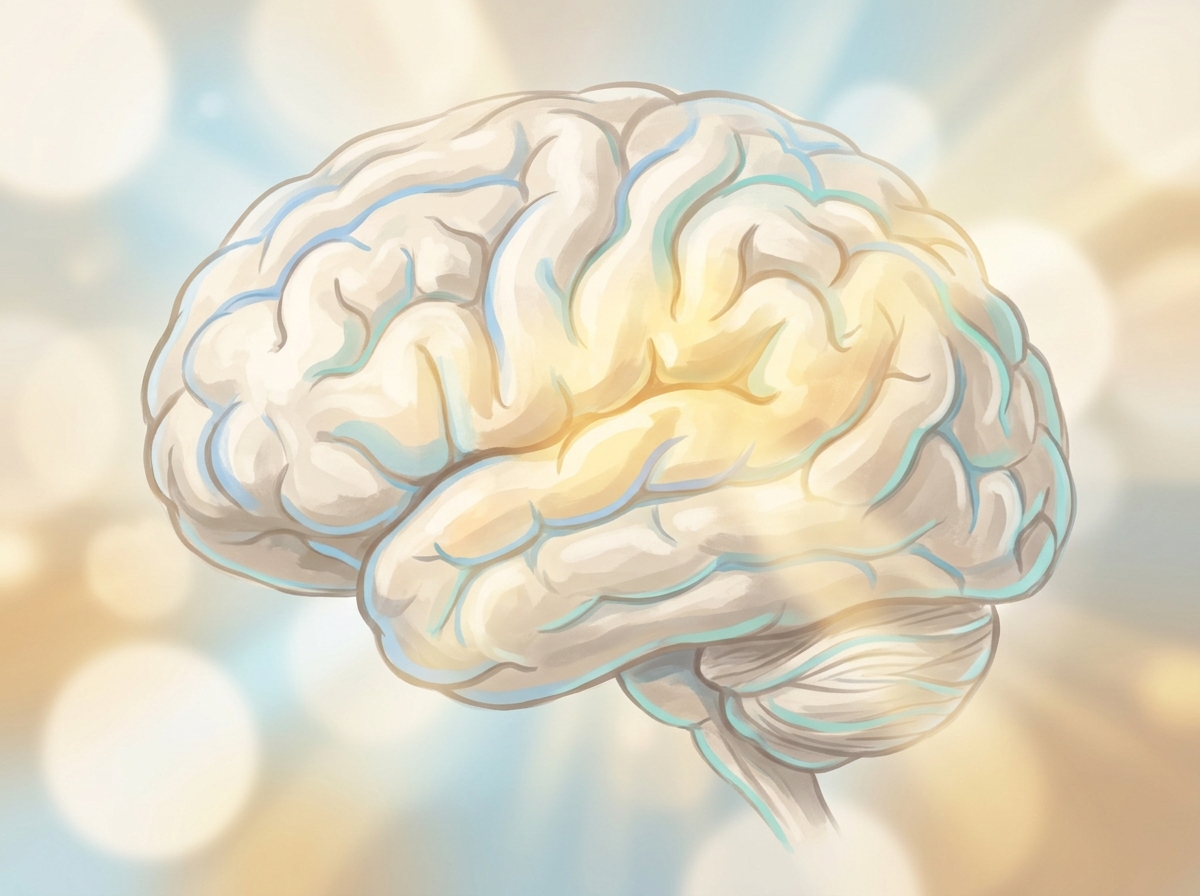
Attention-Deficit/Hyperactivity Disorder (ADHD) is often misunderstood, frequently dismissed as a simple lack of focus or a behavioral issue. At Cognitive Today, we believe it’s time to move beyond these simplistic labels. ADHD is a complex neurodevelopmental condition that shapes how an individual processes information, regulates attention, and manages impulses. It’s not a deficit of attention, but rather a difference in how attention is regulated and directed
.
This isn’t about being “broken”; it’s about having a brain that operates with a unique rhythm, particularly in the executive functions – the mental skills that include working memory, flexible thinking, and self-control. Understanding this distinction is the first step towards not just coping, but truly flourishing with ADHD.
Understanding the ADHD Brain: A Different Operating System
Imagine your brain as a sophisticated computer. For someone with ADHD, it’s as if this computer has a different operating system. It might excel at multitasking, hyperfocusing on areas of intense interest, and generating novel ideas, but struggle with routine tasks, filtering distractions, or initiating less stimulating activities. This isn’t a flaw in the hardware, but a unique configuration of the software
.
Key areas of the brain, particularly the prefrontal cortex, which is responsible for executive functions, show differences in activity and connectivity in individuals with ADHD. Neurotransmitters like dopamine and norepinephrine, crucial for motivation, reward, and attention, also play a significant role. Imbalances in these chemical messengers can lead to the characteristic symptoms of ADHD
.
The Wandering Spotlight: Inattention Explained
One of the most common manifestations of ADHD is inattention. However, it’s rarely a complete inability to pay attention. Instead, it’s often described as a “wandering spotlight” – an inability to consistently direct and sustain attention on tasks that are not inherently stimulating or novel. The brain is constantly scanning the environment for new, interesting stimuli, making it challenging to stick with mundane or repetitive activities.

This can manifest as:
•Difficulty sustaining attention in lectures or long meetings.
•Making careless mistakes due to lack of sustained focus.
•Trouble organizing tasks and activities.
•Frequently losing items necessary for tasks.
•Being easily distracted by external stimuli or unrelated thoughts.
The Inner Motor: Hyperactivity and Impulsivity
Hyperactivity in ADHD isn’t always about physical restlessness, especially in adults. While children might exhibit overt fidgeting or running around, adults often experience an internal sense of restlessness, an “inner motor” that constantly hums. This can lead to difficulty relaxing, excessive talking, or a constant need for mental stimulation
.
Impulsivity, closely linked to hyperactivity, involves acting without thinking through the consequences. This can range from interrupting others, making hasty decisions, to engaging in risky behaviors. It stems from a reduced ability to inhibit immediate responses and consider future outcomes.

Actionable Insights: Navigating Your Unique Brain
Living with ADHD doesn’t mean you’re destined for struggle. It means you need tailored strategies that work with your brain, not against it. Here are some actionable insights:
1.Embrace External Structure: Since internal organization can be challenging, create external systems. Use calendars, reminders, to-do lists, and dedicated workspaces. Break large tasks into smaller, manageable steps. Tools like digital planners or even simple sticky notes can be game-changers.
2.Optimize Your Environment: Minimize distractions. For tasks requiring focus, find a quiet space, use noise-canceling headphones, and put your phone on silent. For tasks that benefit from movement, consider a standing desk or incorporating short breaks.
3.Leverage Hyperfocus: Identify your areas of intense interest. ADHD brains can achieve incredible levels of concentration when engaged. Structure your day to include tasks that tap into this hyperfocus, using that momentum to tackle less stimulating duties.
4.Mindfulness and Self-Compassion: Practice mindfulness to observe your thoughts and impulses without judgment. Understand that your brain works differently, and self-compassion is crucial. Celebrate your strengths – creativity, resilience, and unique perspectives.
5.Seek Professional Guidance: ADHD management often benefits from a multi-modal approach. This can include:
•Medication: Stimulants and non-stimulants can help balance neurotransmitters, improving focus and impulse control
.
•Therapy: Cognitive Behavioral Therapy (CBT) can help develop coping strategies, improve time management, and address co-occurring conditions like anxiety or depression.
•ADHD Coaching: Coaches specialize in helping individuals with ADHD develop personalized strategies for organization, productivity, and goal achievement.

Conclusion: Flourishing with ADHD
ADHD is a lifelong condition, but it doesn’t have to be a limitation. By understanding the unique wiring of your brain, embracing tailored strategies, and seeking appropriate support, you can transform challenges into strengths. At Cognitive Today, we believe in empowering individuals with ADHD to navigate their neurodevelopmental landscape with confidence, leading to a life of focus, purpose, and flourishing.
